01 / ENGAGE
Make science tangible.
Give students a shared experience through which to explore science, research and life on another planet.

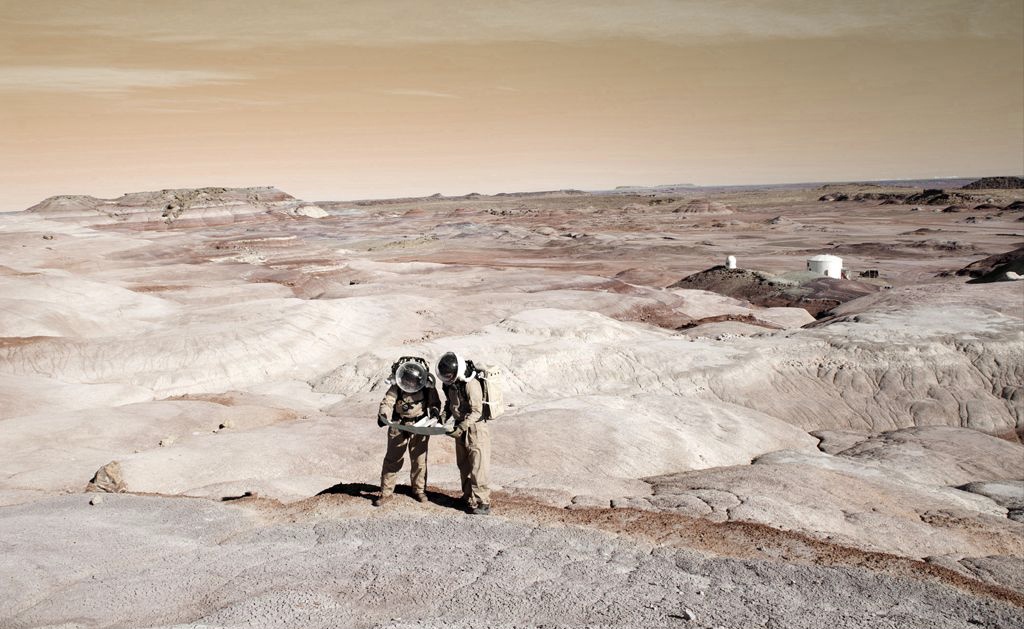
What could an expedition in the Utah desert teach us about another planet—and about ourselves?
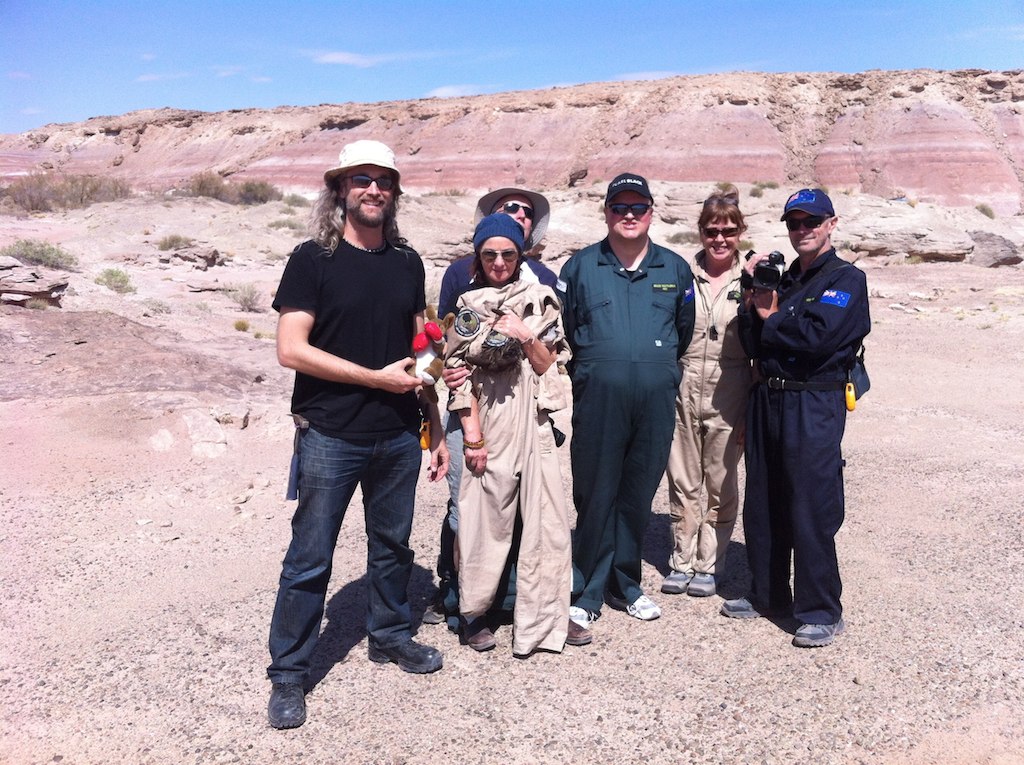
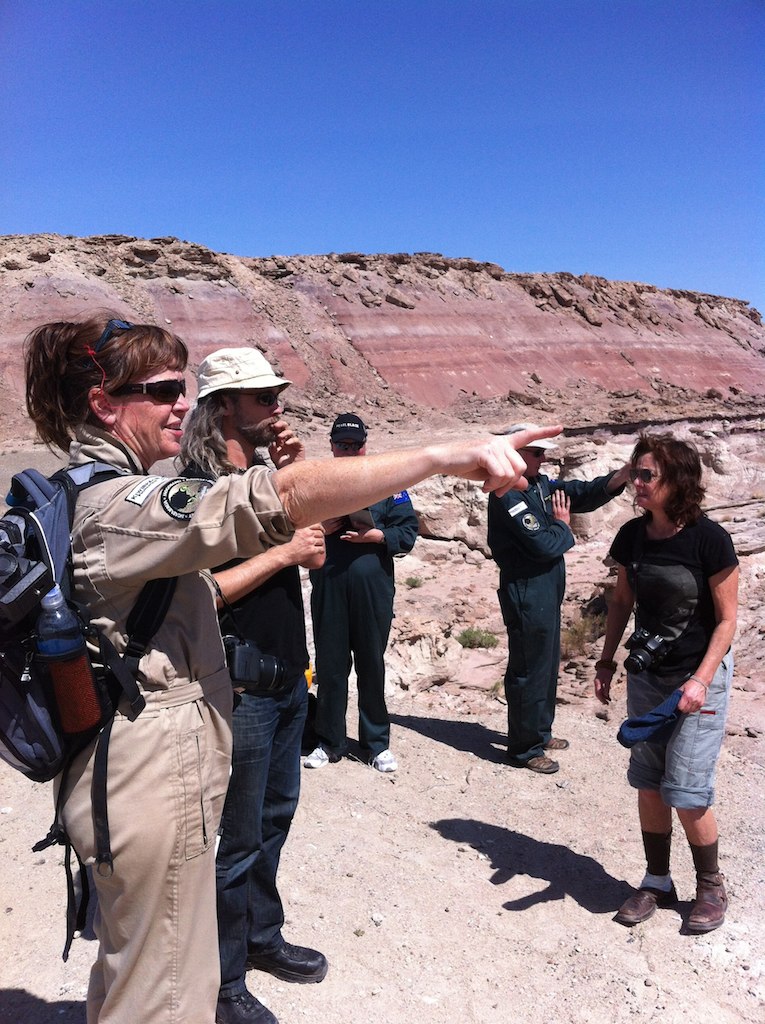
KiwiMars 2012 brought a crew of New Zealanders and Australians to the Mars Desert Research Station for two weeks of simulated planetary exploration.
The setting was Earth. The challenge was to work within conditions designed to echo aspects of a Mars mission: shared living quarters, limited resources, field exploration, and the discipline of working as a crew.
Just as important was the connection home. The mission was designed as an engaging science learning experience, linking exploration with teachers, students and the wider public. Carter Observatory in Wellington served as Mission Control.
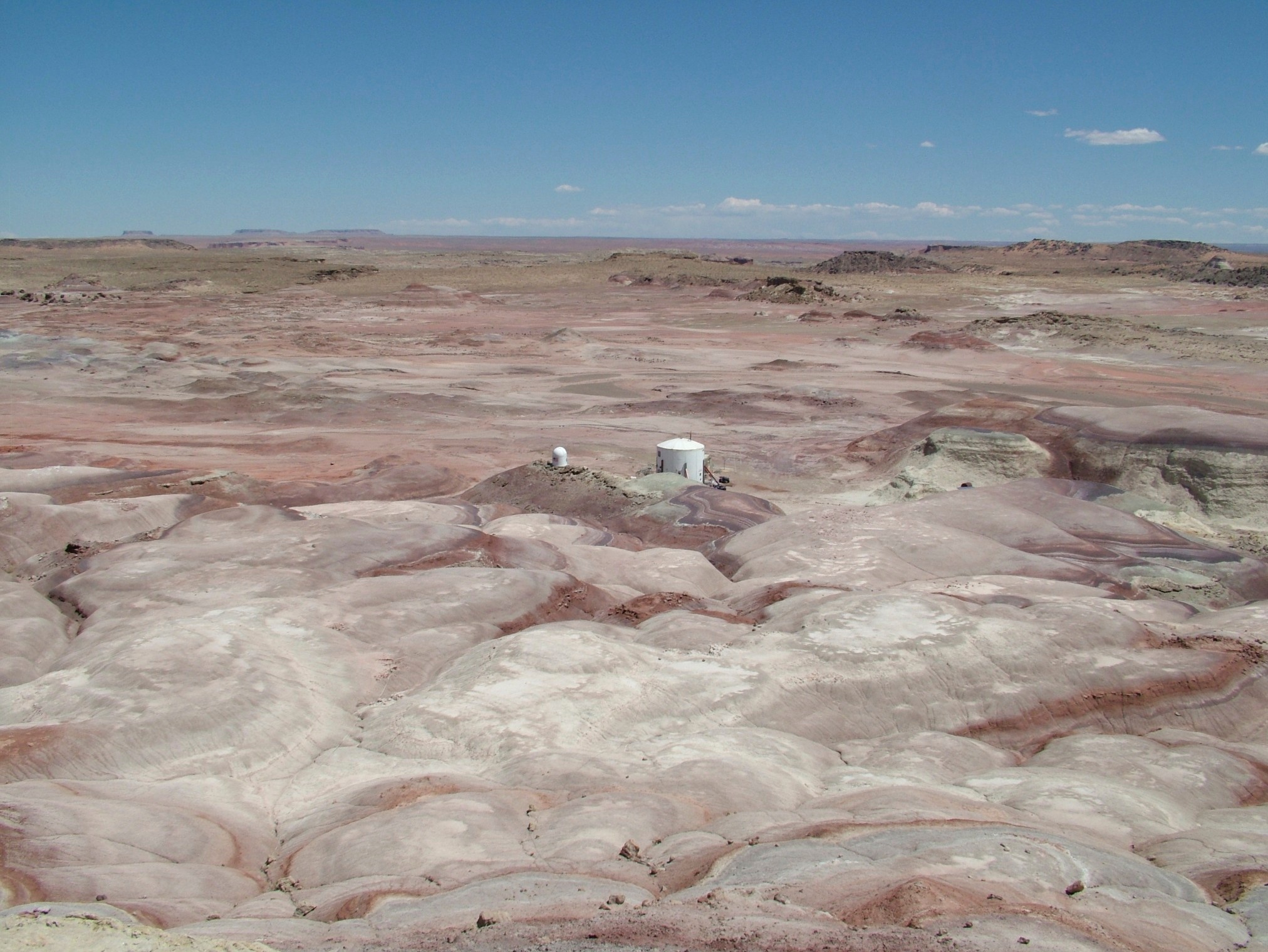
Analogue missions give people a place to practise the science, teamwork and problem-solving involved in exploration.
For KiwiSpace, they also offered a compelling way to make science feel immediate: a real crew, a real landscape, and questions students could follow from home.
Give students a shared experience through which to explore science, research and life on another planet.
Develop ways for educators and learners in New Zealand to connect with an expedition overseas.
Use a shared interest in exploration to encourage international science and education relationships.
Meet the crew, follow the daily reports, explore the science and read the mission’s own account.