2010
An idea takes shape.
KiwiSpace is founded to connect space education, exploration and a growing New Zealand community.

KiwiSpace grew from a belief that New Zealanders could be more than spectators in the story of space.
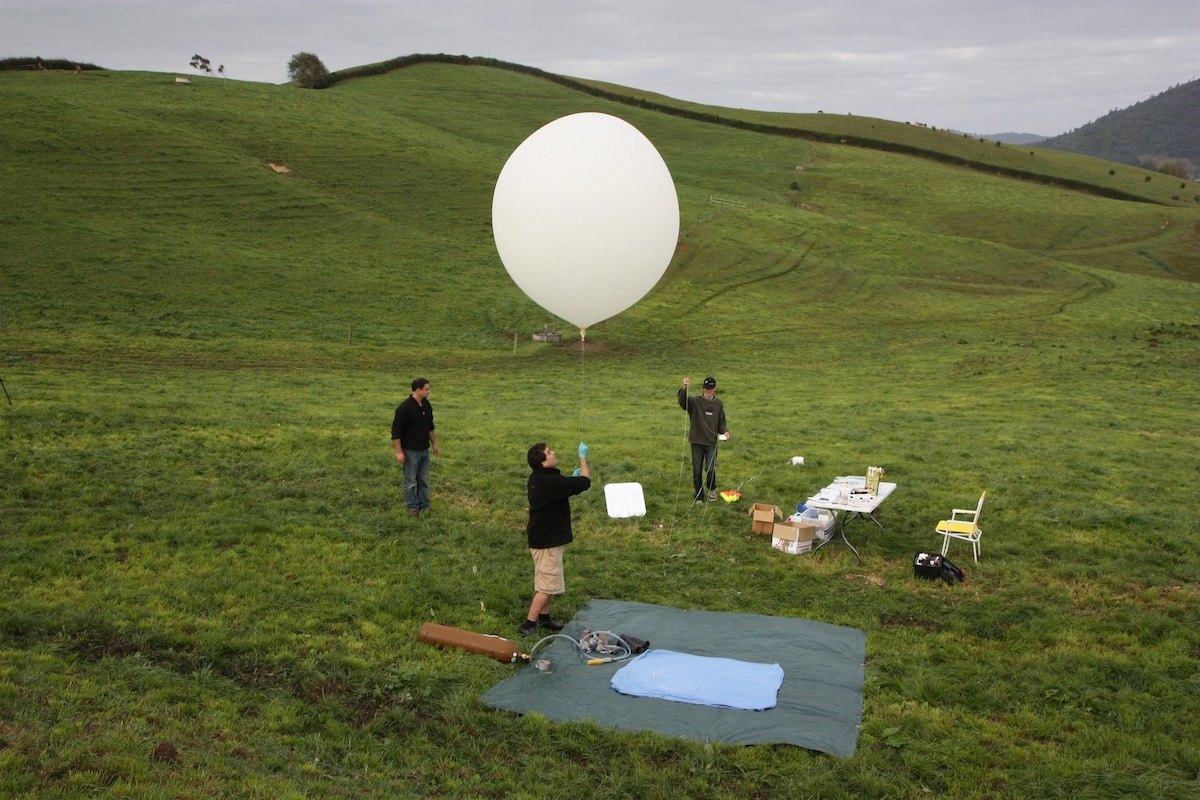
Founded in 2010 by space advocates and enthusiasts, KiwiSpace set out to connect the people, ideas and opportunities that could help shape New Zealand’s place in space.
That meant looking beyond rockets alone. It meant education, science, international exchange, and the everyday applications of space here on Earth.
A simulated Mars mission could become a classroom experience. An experiment on the International Space Station could start a conversation in a New Zealand school. A small team with a balloon could give us a new view of our own country.
Those connections are at the heart of the KiwiSpace identity.
KiwiSpace is founded to connect space education, exploration and a growing New Zealand community.
The Edge of Space balloon mission, First Orbit outreach and World Space Week create ways to participate. Haritina Mogosanu takes part in RoMars 2011.
KiwiMars brings a crew to Utah. The inaugural NZ Rocketry Challenge puts school teams on the launch pad. JAXA records KiwiSpace’s Kibo-ABC point-of-contact role from this year.
Space Seeds links classroom experiments with the ISS. TasMars continues the trans-Tasman Mars analogue story.
SpaceUp and SpaceEd connect enthusiasts and educators. Meetups welcome guests from Rocket Lab, AUT and the ISS payload community.
KiwiSpace contributes to the APRSAF education community. JAXA’s 2019 visit records the transition of educational programmes to the New Zealand Astrobiology Network.
Social updates share launch viewing information and an Artemis talk announcement: further threads of curiosity and connection.
Many of KiwiSpace’s founding members first met through the New Zealand Spaceflight Association. Its meetings, resources and LiftOff newsletter helped bring together people who shared an interest in space.
Those relationships became part of the foundation for KiwiSpace: a community of enthusiasts finding new ways to connect exploration, education and New Zealand’s place in the wider space world.
We have preserved the old NZSA mini-site as a snapshot of that earlier chapter, with its original wording and design.
Visit the preserved NZ Space mini-siteKiwiSpace took part in the education community of the Asia-Pacific Regional Space Agency Forum, connecting a New Zealand perspective with colleagues across the region. In 2018, Haritina Mogosanu presented a New Zealand report for KiwiSpace in the Space Education Working Group and Kibo-ABC programme.
Within that wider regional network, the JAXA-led Kibo-ABC initiative offered a practical connection with Japan’s Kibo module on the International Space Station. KiwiSpace was New Zealand’s point of contact from 2012; Space Seeds brought that connection into classrooms.
APRSAF programme, 2018 JAXA on the KiwiSpace connectionKiwiSpace and the New Zealand Astrobiology Network share a founding connection through Haritina Mogosanu. Her work helped carry an interest in space, life and learning into the astrobiology-focused charity founded in 2015.
JAXA’s 2019 report describes the handover of educational programmes to the Network. It is a related chapter in New Zealand’s space story, with its own mission and organisation.
Discover the New Zealand Astrobiology NetworkFounding leadership, as recorded in the early KiwiSpace team and board pages. Roles and portraits reflect that period.

Founding chair and executive director; entrepreneur, space advocate and a driving force behind early projects and partnerships.
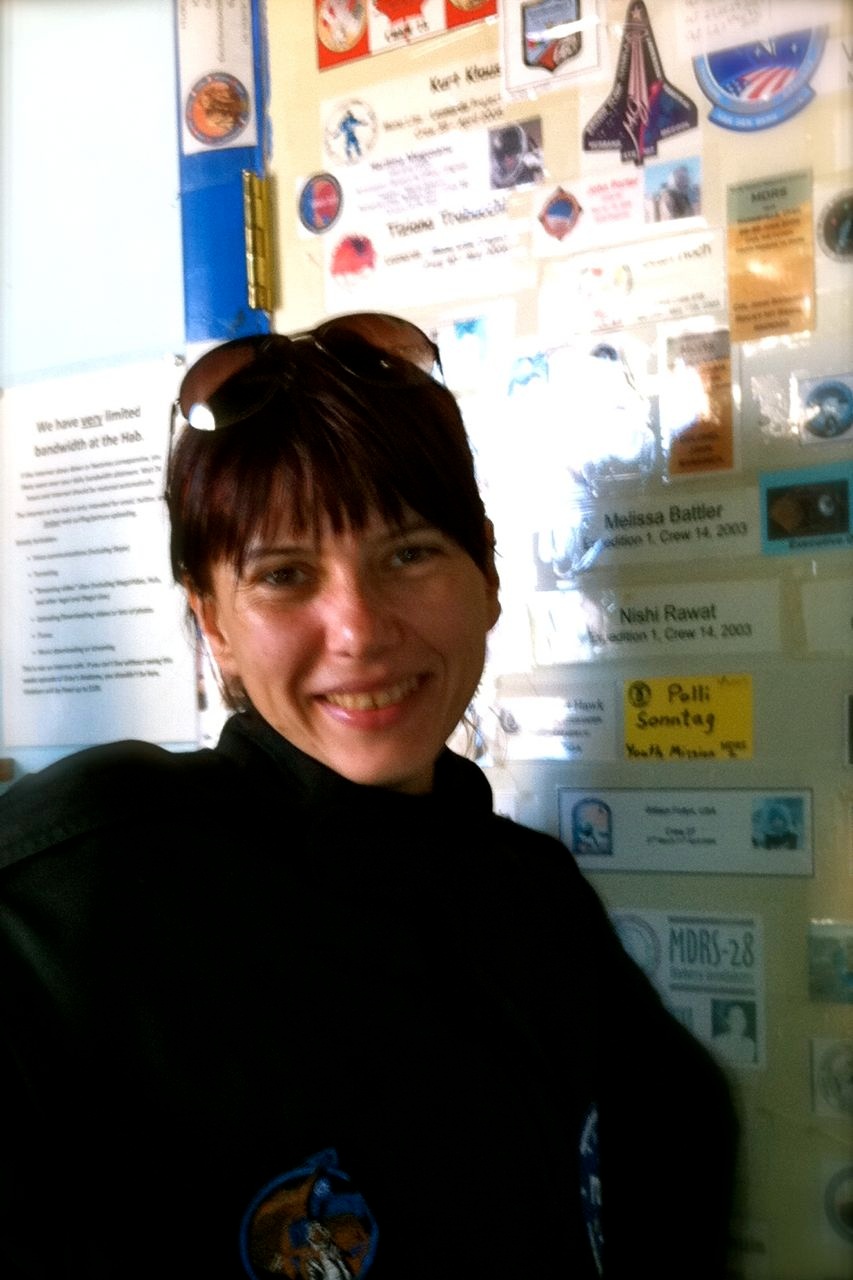
Co-founder and science communicator connecting Mars exploration, education and international collaboration; later co-founded the NZ Astrobiology Network.

Founding board member contributing finance, space-policy interests and international space-community experience.

Founding board member supporting industry relationships and space enterprise, including N-Prize connections.

Founding board member bringing government-policy interests and practical rocketry experience.
Iain Finer — industry subcommittee, Kiwi2Space and N-Prize connections.
Peter Felhofer — project management.
André Pointon — law and policy subcommittee.
Janice Mackay — education adviser, drawing on her experience as an educator and school principal.
KiwiSpace’s focus has evolved over time. This collection brings together some of the projects and ideas that shaped it, while leaving room for the next conversation.
We remain interested in the wider world of space: the people exploring it, the ideas emerging from it, and the opportunities to share a New Zealand perspective.
The next chapter can take many forms. For now, this is a place to share that perspective, celebrate what has been learned, and make space for future connections.
Start with the stories